About Laser Resurfacing
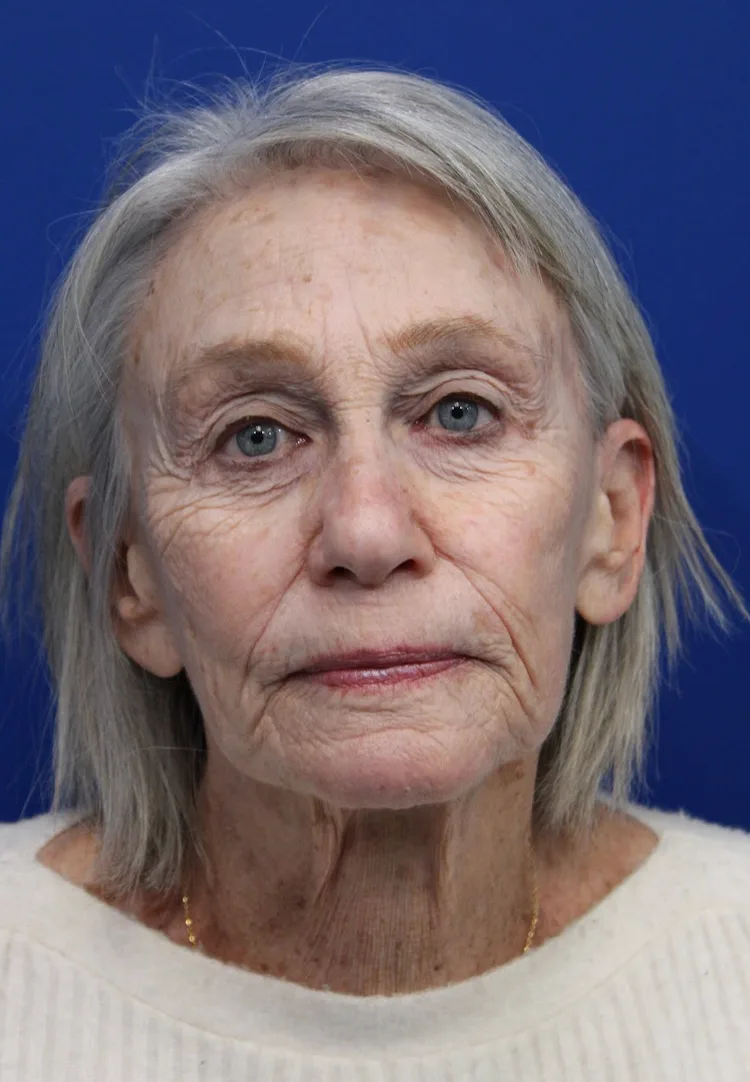
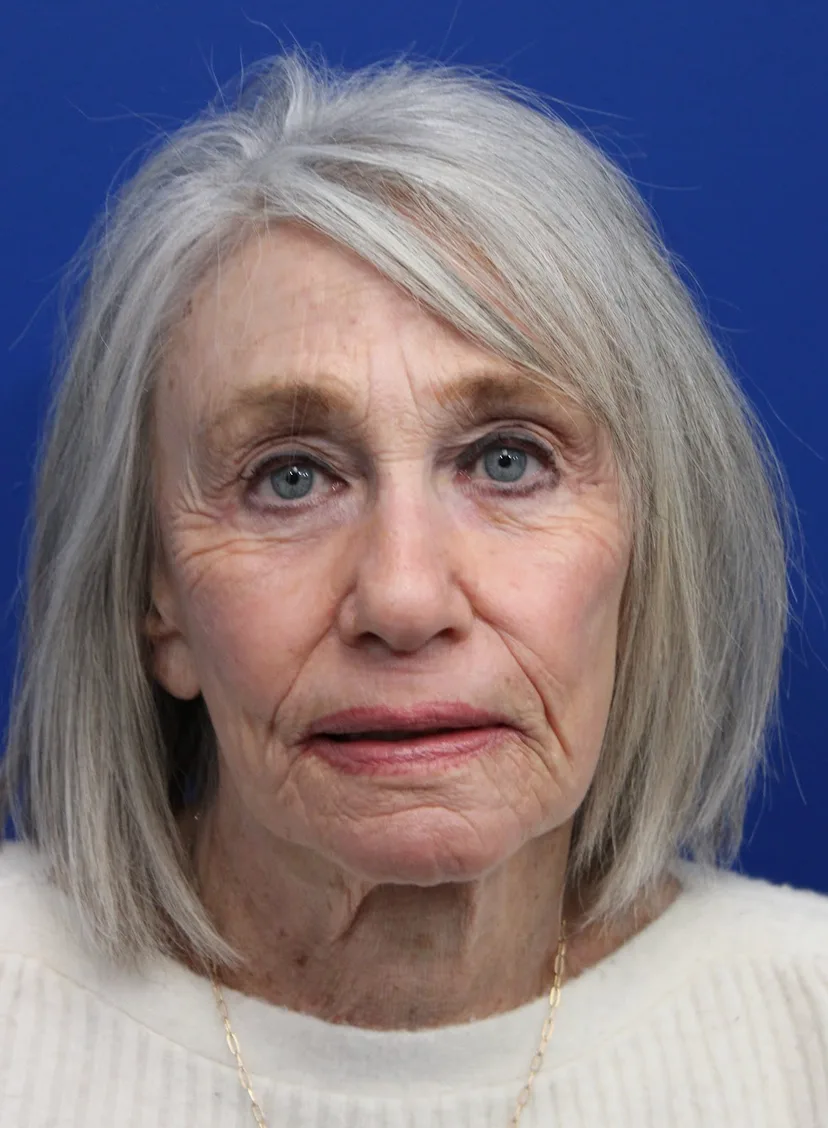
Laser resurfacing uses concentrated beams of light to remove outer skin layers and stimulate collagen growth in the dermis. This effectively reduces wrinkles, acne scars, sun damage, and other unwanted blemishes. These devices work by energizing the water in your cells to heat, vaporize, and remove damaged outer layers. As this occurs, it triggers the body’s natural healing processes—boosting collagen production, tightening skin, and revealing a smoother complexion.
How Erbium Lasers Work
Erbium lasers deliver energy at various wavelengths to the deeper skin layers, and the water in your cells absorbs this more efficiently than with CO₂ lasers. This absorption allows for highly precise ablation of the skin’s surface with minimal surrounding heat damage; this is where the colloquial name “cold laser” comes from. Erbium lasers aim to remove thinner layers of tissue to address fine lines, mild sun damage, and uneven skin texture. These lasers are also safer on delicate areas such as around the eyelids and mouth.
How Ablative Lasers Work
Ablative lasers work by delivering an intense beam of light that vaporizes the outer layers of damaged skin and gently heats the dermis. This thermal energy triggers the body’s natural healing response, stimulates collagen production, and reveals smoother and tighter-looking skin.
How Non-Ablative Lasers Work
Non-ablative lasers pass concentrated light through the epidermis without damaging it. The skin’s water and pigment absorb laser energy to generate heat that triggers the body’s healing response.
How Fractional Lasers Work
Fractional lasers treat only a fraction of your skin’s surface, leaving the surrounding area untouched. This approach can be ablative or non-ablative. The lasers create precise micro-injuries that trigger the body’s natural healing process and stimulate collagen and elastin production. This method also leaves the surrounding tissue intact to speed up recovery.