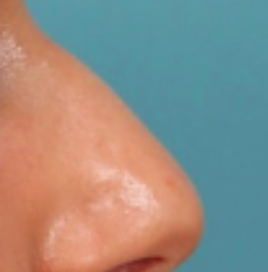
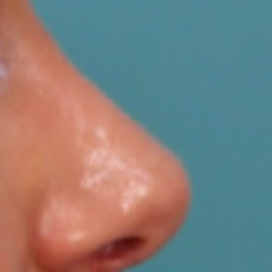
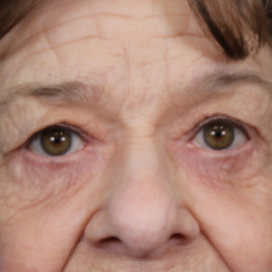
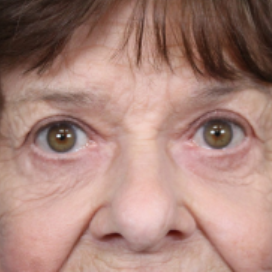
Septoplasty
Conveniently located to serve the areas of Chesterfield Valley, O'Fallon and Kirkwood, MO

A septoplasty is a procedure performed to straighten a deviated nasal septum, the internal bone and cartilage separating the nostrils, to relieve nasal blockages and improve breathing. (1) When the nasal septum is deviated, it can obstruct airflow and may lead to ongoing health issues, such as chronic sinus infections, breathing difficulties, and sleep disruptions. For individuals struggling with these issues, a septoplasty may be an effective solution.
At Synergi Facial Surgery, Dr. Robert T. Cristel specializes in facial plastic and reconstructive surgery and offers customized septoplasty procedures tailored to produce life-changing outcomes.
As a double board-certified facial plastic surgeon, Dr. Cristel is widely recognized for his commitment to compassionate care and exceptional, natural-looking results. Throughout his career, he has successfully helped countless patients improve their quality of life through septoplasty.
To schedule a consultation with Dr. Cristel, please contact us online or call (314) 523-5738 to reach any of our locations:
- Chesterfield Valley, MO
- O’Fallon, MO
- Chesterfield, MO
Contents
About Septoplasty
The nasal septum is the vertical wall of cartilage that divides your nasal cavity into left and right passages. The front part of the septum is composed of flexible cartilage that helps support the tip and bridge of the nose. The back and upper portions of the septum consist of thin bone, providing a firm foundation that keeps the nasal passages stable, open, and properly supported. A septum does not have to be perfectly centered. In fact, mild deviation is extremely common and may cause no symptoms. However, a more significant bend can narrow one or both of the nasal passages and block airflow. (1) A patient’s individual degree of visible asymmetry does not necessarily display how much breathing difficulty they have. Rather, what matters most is whether the deviation is actively obstructing the airway.
Septoplasty is primarily a functional procedure, not one designed to reshape the nose cosmetically. Although medications like decongestants, antihistamines, or nasal steroid sprays can reduce congestion and swelling around the septum, they cannot physically straighten deviated bone or cartilage. If persistent blockage stems from the septum itself, septoplasty directly targets that underlying structural issue. (2)
What Causes a Deviated Septum?
You may be born with a deviated septum or develop one as the nose grows, sometimes worsening with age. Some people develop a deviation after experiencing trauma or an injury to the nose, such as a broken nose, sports injury, car accident, or other facial injury. (3) The amount of deviation varies from person to person. In fact, a previous injury does not have to be severe or recent for an individual to have structural damage later. Many people with mild deviated septa do not seek treatment. Instead, treatment matters more when the structural asymmetry causes persistent symptoms or interferes with airflow.
Benefits of a Septoplasty
Patients experiencing breathing difficulties can achieve long-term transformative benefits from a septoplasty, including: (3)
- Improved Airflow: Enhances overall nasal function by restoring proper airflow in the nasal passages to allow for more comfortable breathing.
- Improved Sleep: Improved airflow may reduce snoring related to nasal obstruction and improve sleep quality and duration.
- Fewer Sinus Infections: May reduce the frequency of sinus infections by restoring drainage and decreasing blockages.
- Relief from Congestion: Alleviates sinus pressure and nasal congestion.
Candidates
You may be an ideal candidate for septoplasty if you have a clinically diagnosed deviated septum that causes persistent nasal blockages or related breathing difficulties that have failed to improve after nonsurgical treatments. You may also be an ideal candidate if you struggle with any of the following:
- Persistent Nasal Congestion: Constant difficulty breathing through one or both nostrils that feel blocked or stuffy.
- Secondary Airway Issues: Chronic mouth breathing, snoring, or other sleep-related breathing difficulties that are linked to poor airflow.
- Recurring Nosebleeds: Dryness and irritation in the nasal lining due to atypical airflow friction.
- Facial Discomfort or Pressure: A septal spur contacting surrounding nasal structures can contribute to facial pain or headaches in some patients.
- Good Overall Health: Candidates should be non-smokers in good physical health.
The primary goal of a septoplasty is to improve nasal function, not alter the outer appearance of the nose. Suitable candidates should maintain realistic expectations and understand the procedure’s potential risks, achievable results, and overall benefits. A personal consultation with Dr. Cristel is an effective way to determine if you are a suitable candidate for septoplasty. (2)
Personal Consultation
Before scheduling their septoplasty, patients must meet with Dr. Cristel for a personal consultation. During this initial appointment, he will assess your medical history and discuss your specific concerns, including breathing difficulties, a history of sinus infections, allergies, nasal injuries, or past surgical procedures. He will also perform a comprehensive physical examination of your nose to assess the degree of your septal deviation and check your turbinates. (2) Based on this assessment, Dr. Cristel will create a personalized treatment plan tailored to your health profile. He will guide you through all suitable options, outlining what to expect regarding the surgical process, preparation, recovery timeframe, potential risks, pricing, and more.
To schedule a consultation with Dr. Cristel, please call (314) 523-5738 or contact us online.
Procedure
Because every nasal structure is distinct, Dr. Cristel tailors each septoplasty procedure based on the shape, severity, and location of the septal deviation. Septal deviations can involve bone, cartilage, or both, so Dr. Cristel’s surgical approach may vary depending on each patient’s anatomy. Regardless of the method used, the primary objective remains the same: to straighten the deviated areas of the septum while preserving essential structural support for the nose.
A septoplasty is an outpatient procedure typically taking 30 to 90 minutes and is performed under general or local anesthesia with sedation. (3) Dr. Cristel begins the procedure by making a small incision inside the nostril. He then gently lifts the delicate membrane covering the septum (mucosal lining) away from the cartilage and bone and begins reshaping. Dr. Cristel corrects the deviation by trimming, repositioning, or removing bent portions of bone and cartilage, ensuring enough structural support remains. He then carefully repositions the mucosal lining and closes the internal incision with dissolvable stitches. If appropriate, Dr. Cristel may temporarily place soft internal splints or nasal packing to hold the septum straight while it heals.
Depending on the location and complexity of the septal deviation, Dr. Cristel may perform septoplasty using traditional endonasal, endoscopic, or more extensive reconstructive approaches.
Recovery and Results
Recovery from a septoplasty typically takes about one to two weeks for initial healing, but tissues should stabilize and settle within the three to six months. (3) In the first few days after your procedure, you may experience peak swelling and nasal congestion. You may also have mild headaches and minor blood drainage, but this is a normal part of the healing process. Around five to seven days later, you will attend a follow-up appointment with Dr. Cristel, where he will remove any remaining internal splints or packing. This is when breathing often begins to feel clearer. Most patients return to school or work after two weeks but must avoid strenuous activity until Dr. Cristel clears them. To support and speed your recovery, keep your head elevated while sleeping and use saline nasal sprays regularly.
Ultimately, the main result of this procedure is significantly improved airflow, which helps you breathe easier, sleep better, and experience fewer sinus issues. The healing process is gradual and can take roughly three to six months for the cartilage and nasal tissue to settle fully. Following Dr. Cristel’s postoperative instructions closely are essential to achieving a smooth recovery and optimal results. (1)
Cost of Septoplasty in St. Louis, Missouri
The total price of a septoplasty depends on several factors, including the required technique, the complexity of the patient’s condition, the anesthesia used, and other cost factors. After establishing your treatment plan, Dr. Cristel will provide a comprehensive price estimate for your procedure.
To learn more about the cost of your septoplasty, please schedule a consultation online or call (314) 523-5738.
FAQ
Is a septoplasty the same as a rhinoplasty?
While both surgeries improve the nose, a septoplasty focuses on function by straightening the internal cartilage and bone to improve breathing. In contrast, a rhinoplasty is designed to alter the external shape and overall appearance of the nose. Despite their different purposes, they can be combined into a single surgical procedure if medically appropriate.
Will a septoplasty alter the appearance of my nose?
While a septoplasty primarily aims to enhance breathing rather than alter the exterior nasal appearance, minor visible changes are possible. Patients with more severe external deviations may see subtle aesthetic adjustments. When a septum is significantly crooked near the tip or bridge, straightening the internal framework can indirectly help the nose and tip appear more symmetrical and aligned.
Can a deviated septum return after septoplasty?
Although septoplasty is intended to provide lasting, long-term relief, persistent or recurrent deviation can occasionally occur for individuals with more intricate structural concerns. In these cases, part of the original deviation may remain in complex areas like the caudal or dorsal septum, which can be difficult to correct fully. In other cases, the septum may shift during recovery, or later nasal trauma can alter the structure again. Additionally, ongoing nasal obstruction is not always caused by the septum alone. Other factors, including enlarged turbinates, nasal valve dysfunction, or allergic inflammation, can also contribute to persistent symptoms.
References
- Mayo Clinic. Septoplasty – Mayo Clinic. www.mayoclinic.org. December 15, 2021. Accessed September 10, 2026. https://www.mayoclinic.org/tests-procedures/septoplasty/about/pac-20384670
- AmericanAcademy of Otolaryngology-Head and Neck Surgery. Clinical Indicators: Septoplasty. American Academy of Otolaryngology-Head and Neck Surgery (AAO-HNS). August 7, 2014. Accessed September 10, 2026. https://www.entnet.org/resource/clinical-indicators-septoplasty/
- Cleveland Clinic. Septoplasty: Procedure & Recovery. Cleveland Clinic. September 19, 2022. Accessed September 10, 2026. https://my.clevelandclinic.org/health/treatments/17779-septoplasty